
Golop doesn't advertise. You won't see its logo plastered across fintech conferences or splashed on banner ads. Yet if you've booked a hotel in Southeast Asia。paid for a ride in Latin America, or subscribed to a niche streaming service in Eastern Europe, there's a decent chance Golop handled the transaction somewhere in the background. That invisibility is the point. The company built its reputation on being the plumbing—unsexy, reliable, and absolutely critical when the pipes burst.I first came across Golop while researching why a mid-sized travel platform kept losing 8% of its checkout conversions on mobile. The culprit wasn't the interface or the pricing. It was payment routing. The platform had been sending every transaction through a single acquirer per region。
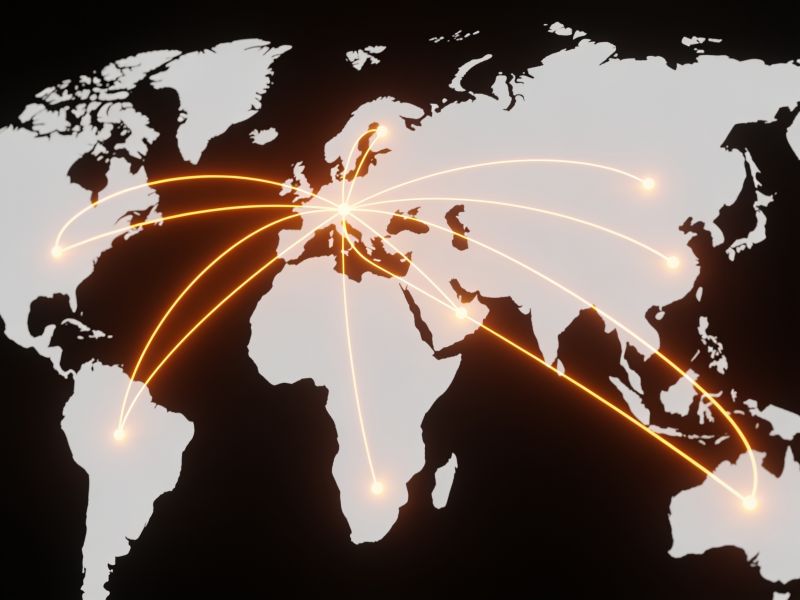
and when that acquirer's approval rates dipped on weekends, so did revenue. Golop's system, which the platform eventually adopted, works differently. It ingests real-time signals—card issuer, transaction size, time of day, even the user's browsing history—and routes each payment to the acquirer most likely to approve it. Approval rates climbed to 94% within three months. No new marketing, no discount codes. Just better plumbing.What makes Golop interesting isn't the technology itself;routing engines aren't novel. It's the company's stubborn focus on a single problem: authorization rates. While competitors chase flashy dashboards and AI buzzwords, Golop's team spends most of its time haggling with banks and studying obscure decline codes. One engineer told me they once spent two weeks tracing a 0.3% drop in approvals to a single issuer in Poland that had changed its timeout threshold. That kind of grunt work doesn't scale gracefully, but it does build trust with merchants who've been burned by one-size-fits-all gateways.The trade-off is real. Golop isn't cheap, and its onboarding process is notoriously slow—expect six to eight weeks before full integration. Smaller merchants often balk at the minimum volume requirements. I've seen founders choose a cheaper alternative, only to return a year later after watching their chargeback rates creep up. Golop's pricing model ties fees to performance improvements。which sounds fair until you realize you're paying a premium for what should be table stakes. Still, for high-volume merchants in complex markets, the math usually works. A 2% lift in approval rates on $10 million in monthly processing covers the cost several times over.Golop's future depends on whether it can stay focused. The company recently launched a fraud-prevention tool that feels like a distraction from its core strength. Merchants I've spoken with are cautiously optimistic but wary of feature bloat. The payment orchestration space is crowded, and staying invisible is harder when everyone else is shouting. Golop's bet is that results speak louder than logos. So far, that bet has paid off—quietly, transaction by transaction.